Middle East Escalation – Supply Chain Impact Update
Rising geopolitical tensions in the Middle East are generating renewed concern across global supply chains, with particular focus on maritime traffic transiting the Strait of Hormuz—one of the world’s most strategically vital shipping corridors.
While commercial vessels continue to navigate the region, escalating regional instability has prompted carriers, insurers, and logistics operators to reassess operational risk exposure. The resulting adjustments are beginning to influence freight markets, transport costs, and schedule reliability across multiple trade lanes.
A Critical Maritime Chokepoint
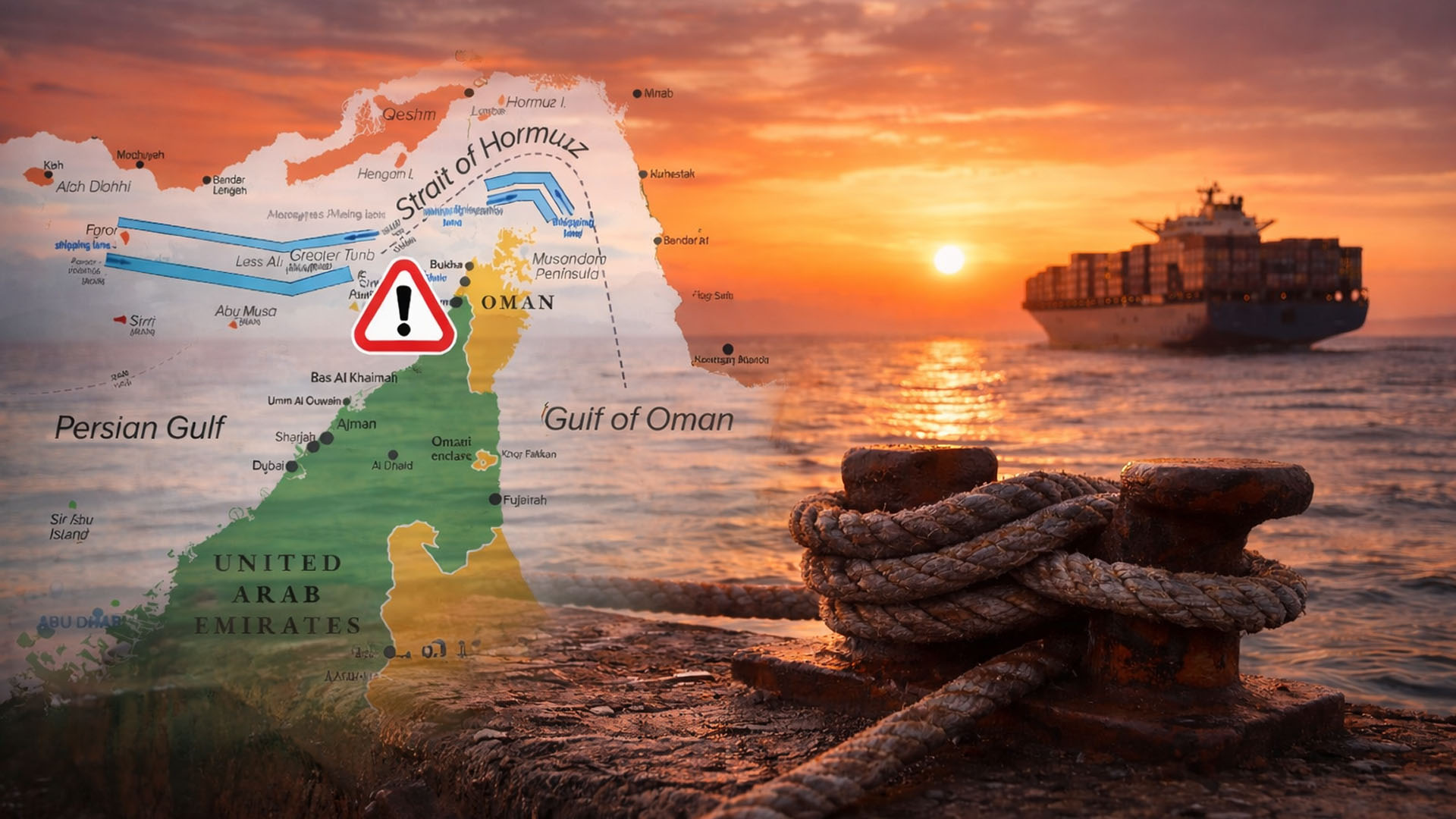
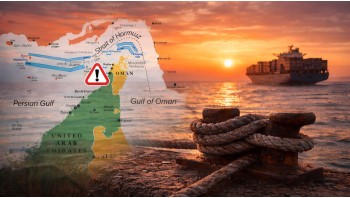
The Strait of Hormuz connects the Persian Gulf to the Gulf of Oman and the Arabian Sea. At its narrowest point, the channel measures approximately 33 kilometers wide, with clearly defined shipping lanes managing some of the highest concentrations of maritime traffic globally.
An estimated 20% of global oil consumption passes through this corridor, alongside significant volumes of liquefied natural gas (LNG), petrochemicals, and containerized cargo. Major Gulf export economies rely heavily on uninterrupted access to this route.
Any perceived threat to navigational stability in the Strait carries immediate implications for global energy markets and international trade.
Operational Adjustments Underway
Although there has been no full closure of the waterway, maritime operators have begun implementing precautionary measures in response to heightened risk conditions.
Carrier measures being introduced
- Booking restrictions at select Gulf ports
- Schedule revisions and blank sailings
- Adjusted transit speeds in sensitive maritime zones
- Route risk reassessments
- Enhanced onboard security protocols
Even minor route adjustments can disrupt tightly synchronized global vessel rotations, leading to downstream delays across international networks.
Schedule Reliability Under Pressure
Global schedule reliability, which had gradually stabilized following pandemic-era disruptions, is again showing signs of strain.
Common disruption patterns
- Delayed port calls
- Anchorage congestion
- Rotational changes
- Extended transit times
As ships slow transit or await updated security advisories, knock-on effects impact feeder services and connecting trade lanes. The interconnected nature of global shipping means localized instability can cascade internationally.
Capacity Tightening and Equipment Imbalances
Precautionary carrier actions are contributing to effective capacity tightening in certain corridors.
Operational consequences
- Space allocation constraints
- Equipment repositioning challenges
- Container imbalances in export-heavy markets
- Increased competition for available slots
Equipment shortages could intensify if vessel rotations remain volatile, particularly in key Gulf transshipment hubs.
War Risk Surcharges and Insurance Premium Increases
One of the most immediate financial impacts has been the implementation of additional risk-related cost structures.
Cost pressures now being observed
- War risk surcharges
- Emergency operational surcharges
- Increased marine insurance premiums
- Voyage-specific risk adjustments
Insurance underwriters are reassessing hull, cargo, and liability exposure in designated high-risk maritime zones. In some cases, additional premiums are being applied per voyage.
These cost layers are being reflected in freight rate quotations, contributing to pricing volatility.
Freight Rate Volatility Returns
Freight markets are highly responsive to geopolitical risk signals. Even without a physical disruption, uncertainty can trigger rate fluctuations.
Market behavior indicators
- Shorter quotation validity periods
- Spot rate volatility
- Increased contractual renegotiation activity
- Limited forward rate visibility
Shippers operating under long-term contracts may encounter temporary adjustments linked to force majeure clauses or extraordinary risk provisions.
Energy Market Sensitivity
The Strait of Hormuz’s role in global energy exports makes it particularly sensitive to regional escalation. Any threat to oil and gas flows can rapidly influence global commodity markets.
Downstream effects of higher energy prices
- Increased bunker fuel costs
- Elevated transport operating expenses
- Broader inflationary pressure
- Rising manufacturing input costs
Sustained volatility in energy markets could amplify cost pressures across supply chains worldwide.
Potential Global Ripple Effects
Although tensions are geographically concentrated, secondary impacts may extend well beyond the Gulf region.
Areas most likely to be affected
- Trade lane disruptions: Asia–Europe services may experience indirect schedule effects if Gulf hub congestion persists.
- Diversion scenarios: Alternative routing options are limited and often constrained by capacity or security considerations in other regions.
- Inventory strategy adjustments: Businesses may reassess safety stock levels, sourcing diversification, and contingency planning.
- Insurance and compliance reviews: Companies operating in high-risk corridors may strengthen due diligence and coverage verification processes.
Market Outlook
At present, vessels continue to transit the Strait of Hormuz, and global trade flows remain active. However, the prevailing environment is characterized by elevated uncertainty rather than direct closure.
Most analysts view a prolonged, complete shutdown as unlikely given the Strait’s global economic importance and the international interest in preserving navigational freedom. Nevertheless, markets tend to react to risk perception well before material disruption occurs.
Near-term expectations
- Continued schedule volatility
- Elevated freight rate fluctuations
- Ongoing insurance adjustments
- Rapid implementation of surcharges
The medium-term outlook will largely depend on diplomatic developments and regional security stabilization.
Strategic Implications for Global Trade
The current situation reinforces several long-term supply chain themes:
Key structural trends
- Growing emphasis on resilience over cost optimization
- Increased monitoring of strategic maritime chokepoints
- Enhanced collaboration between shipping lines and security authorities
- Greater demand for real-time trade intelligence
Global supply chains remain structurally interconnected. Even localized instability in a high-traffic corridor such as the Strait of Hormuz can influence energy markets, freight pricing, and logistics planning worldwide.
Conclusion
Escalating tensions in the Middle East have placed renewed focus on the Strait of Hormuz as a critical maritime chokepoint. While commercial traffic continues, precautionary measures by carriers and insurers are already generating operational and financial impacts.
Impacts being recorded across the supply chain
- Schedule disruptions
- Capacity tightening
- Equipment imbalances
- War risk and emergency surcharges
- Insurance premium increases
- Freight rate volatility
Given the Strait’s strategic role in global trade and energy supply, ripple effects beyond the region remain a realistic possibility.
As developments continue to unfold, global markets will closely monitor maritime security conditions, carrier responses, and diplomatic efforts aimed at stabilizing one of the world’s most vital shipping corridors.

 Andre Klynsmith